How does it help with everyday driving?
Driver-assistance features are most valuable when they add a layer of awareness to situations that demand frequent attention. Think about the commute from Glendale into downtown Los Angeles: traffic can change quickly, drivers may merge unexpectedly, and stop-and-go congestion can make long drives tiring.
The Pre-Collision System may alert the driver when it detects a possible collision risk ahead. Dynamic Radar Cruise Control can help manage the changing pace of traffic while preserving a driver-selected gap. Lane support can provide a reminder if the vehicle begins to drift from a marked lane unintentionally.
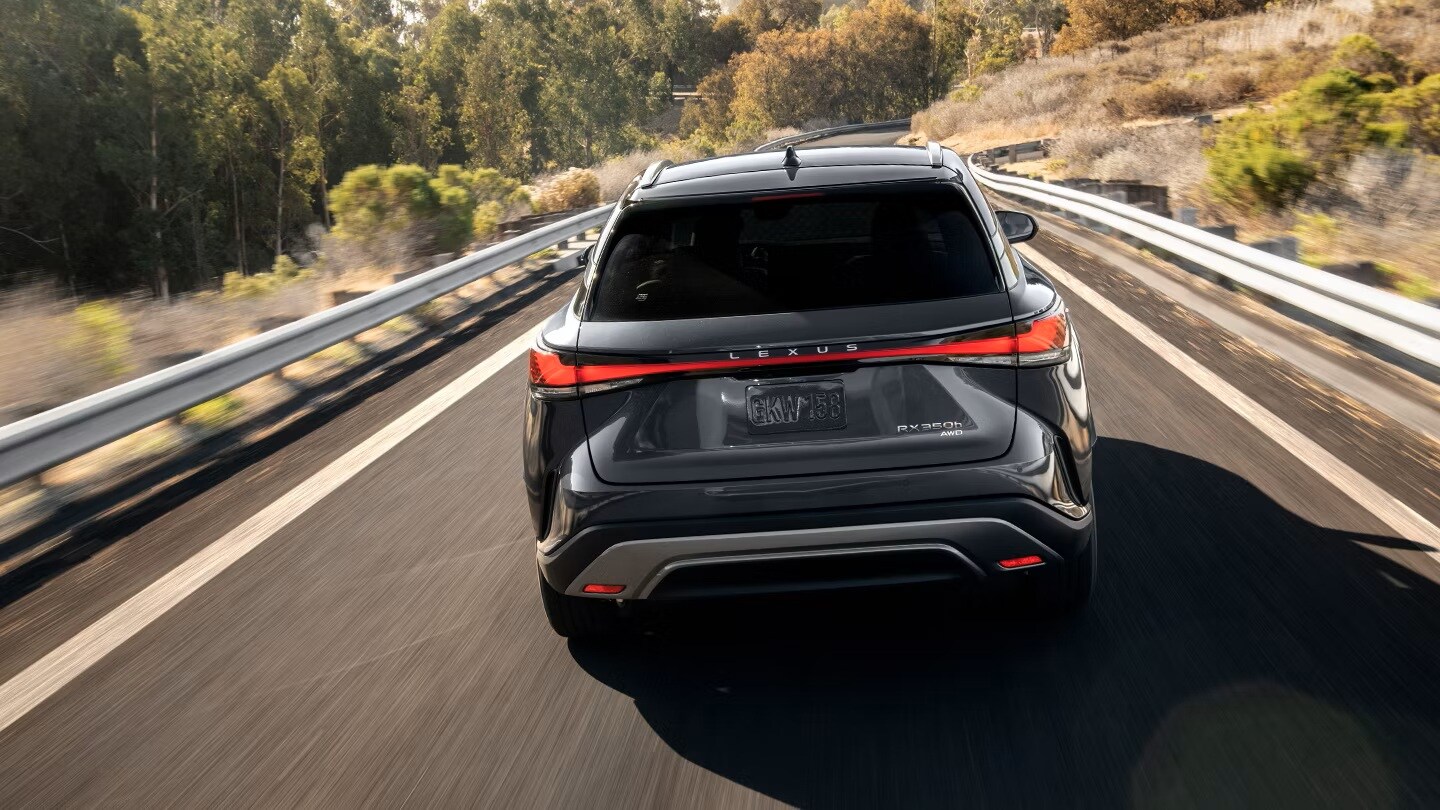
For parents using a Lexus TX for school drop-offs, professionals commuting in a Lexus RX, or drivers who appreciate the compact confidence of a Lexus NX, those features can make routine drives feel more supported. They do not eliminate the need to scan the road, use mirrors, check blind spots, or respond to changing conditions. Instead, they are designed to supplement careful driving with alerts and limited assistance under specific conditions. Lexus describes the system as advanced active safety equipment intended to provide added convenience and peace of mind, not a substitute for a fully engaged driver.
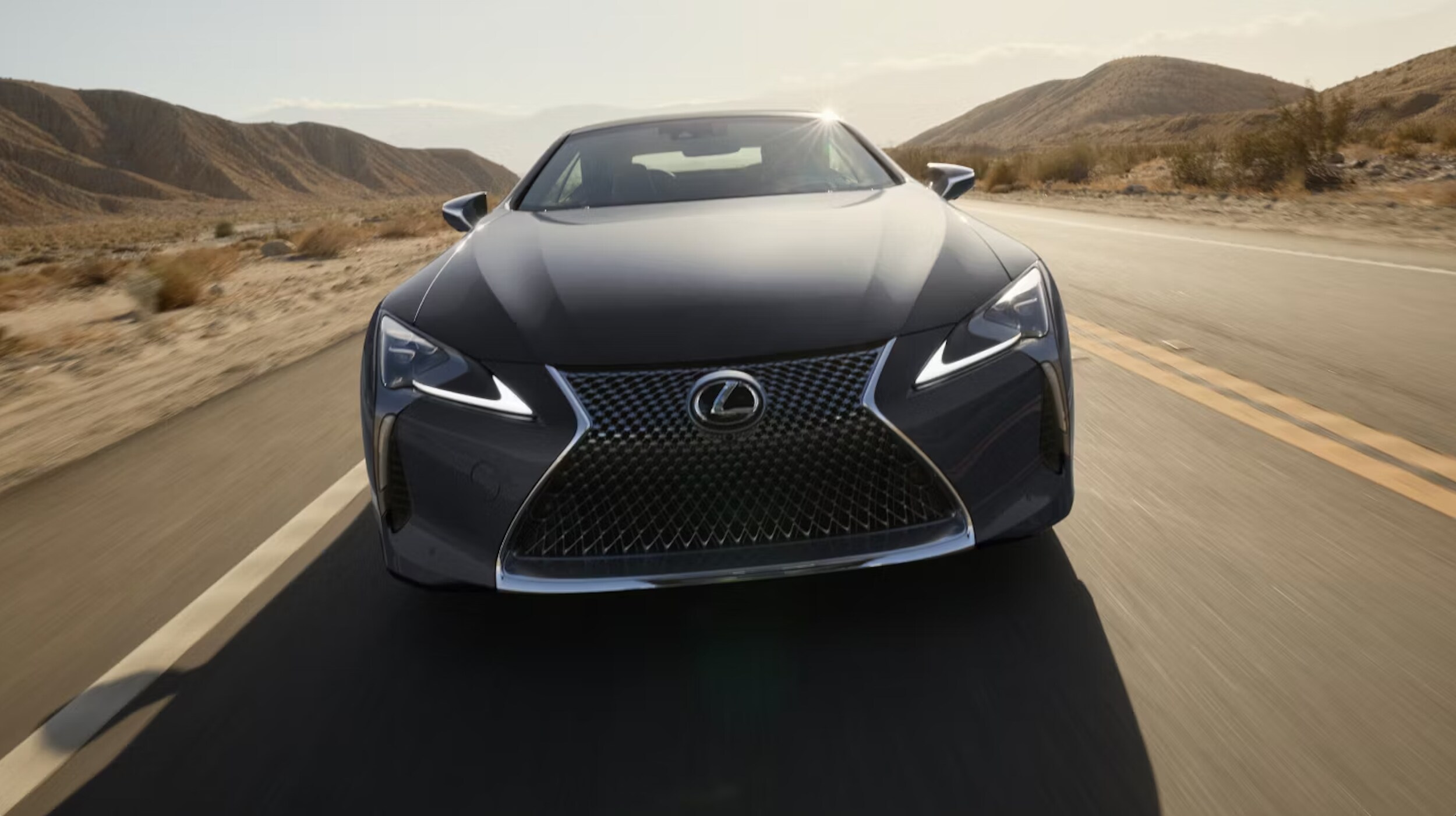
If you are comparing new Lexus SUVs in Glendale, we recommend taking time during a test drive to experience the placement of the displays, alerts, and steering-wheel controls. Our team can help you compare available models on our lot and explain how system settings may differ between a Lexus NX, RX, TX, GX, or LX.
What do Lexus driver-assistance alerts mean?
The alerts within Lexus Safety System+ 3.0 are designed to get the driver's attention, not create unnecessary distraction. Depending on the feature and situation, an alert may appear as a message in the instrument display, a visual indicator, an audible warning, steering-wheel vibration, or a combination of signals.
A forward collision alert generally means the system has detected a potential risk with an object, vehicle, pedestrian, or other road user ahead. A lane departure warning can indicate the vehicle is approaching or crossing a detected lane line without a turn signal. A Road Sign Assist display may show a recently detected speed-limit or stop sign.
It is important to remember that a warning does not always mean a collision or lane departure is certain. Cameras and radar have operating limits, and system performance can be affected by weather, glare, heavy rain, dirt on sensors, poor lane markings, sharp curves, construction zones, or obstructed views. Drivers should treat every alert as a prompt to assess the road immediately and take appropriate control of the vehicle.